Moving to Dubai changes a lot about daily life, but it does not automatically end your US tax responsibilities. That is the first point most Americans abroad need to understand. Even if your salary is paid in the UAE and even if Dubai does not tax personal income in the way many people expect, US citizens and resident aliens abroad are generally still taxed on worldwide income and may still need to file a US return.
That is why US Taxes For Expats In Dubai is such an important topic. People often assume that living outside the United States removes the filing obligation. In reality, the issue is usually not whether you live abroad. It is whether your income, account balances, and filing status trigger reporting rules. For many Americans in the UAE, the answer is yes. If you qualify for relief like the foreign earned income exclusion or related housing benefits, you usually have to file properly to claim them.

What does US Taxes For Expats In Dubai actually mean?
In simple terms, US Taxes For Expats In Dubai means that Americans living and working in Dubai may still have to report income to the IRS, file annual tax returns, and sometimes disclose foreign bank accounts or other overseas financial assets. The US system follows citizenship and residency rules, not just physical location, so moving overseas does not by itself switch off US filing duties.
This is where Expatriate Taxation becomes relevant. Expatriate Taxation is the practical side of managing taxes when your life is spread across countries. You may earn income in Dubai, save money in UAE bank accounts, invest elsewhere, and still need to stay compliant with US rules. That mix is what makes expat tax filing different from an ordinary domestic return.
Do Americans living in Dubai still need to file US taxes?
Yes, many do.
That is the clearest answer to the question people search most often. If you are a US citizen or a resident alien living abroad, your worldwide income is generally subject to US income tax rules, US Taxes For Expats In Dubai, regardless of where you live. Filing thresholds still matter, but the idea that I moved to Dubai, so I no longer need to file is usually wrong.
A common real-world example is a US employee working for a Dubai-based company. Their salary may be paid in dirhams and may not face UAE personal income tax, but it can still be reportable on a US return. The same goes for consultants, freelancers, remote workers, and business owners living in the UAE.

Why Expatriate Taxation is more complicated than people expect
Expatriate Taxation is not just about one tax return. It often involves multiple moving parts:
Worldwide income reporting
Salary, freelance fees, bonuses, and some investment income may still need to be reported to the IRS if you meet filing requirements.
Foreign earned income exclusion
If you have foreign earned income, your tax home is in a foreign country, and you meet either the bona fide residence test or the physical presence test, you may qualify for the foreign earned income exclusion. For tax year 2026, the IRS says the maximum exclusion is $132,900 per qualifying person.
Foreign housing relief
Some expats may also qualify for a foreign housing exclusion or deduction if they meet the required test and have a tax home in a foreign country.
Extra forms
To claim the foreign earned income exclusion or foreign housing exclusion or deduction, the IRS says you must attach Form 2555 to Form 1040 or 1040X.
So when people talk about US Taxes For Expats In Dubai, they are really talking about a wider filing framework, not just one line on a tax return.
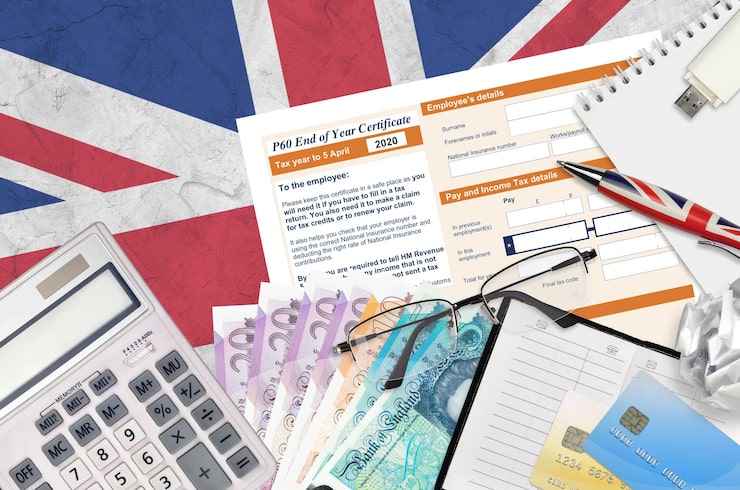
Do Dubai bank accounts have to be reported?
Sometimes, yes.
FinCEN says a US person must file an FBAR if they have a financial interest in, or signature authority over, foreign financial accounts and the aggregate value exceeds $10,000 at any time during the calendar year. The FBAR is filed electronically through the BSA E-Filing System.
This catches many expats off guard. A normal salary account, savings account, or joint account in Dubai can become reportable depending on the combined balances. This is one of the most overlooked parts of Expatriate Taxation, especially for people who assumed that local banking had nothing to do with US compliance, US Taxes For Expats In Dubai.
Common mistakes expats in Dubai make
The biggest mistake is assuming there is no filing obligation at all.
After that, the most common issues are practical ones:
Not reporting UAE income
People often confuse not taxed locally with not reportable in the US. Those are not the same thing.
Missing the exclusion rules
Some taxpayers qualify for the foreign earned income exclusion, but they never claim it because they do not file correctly or do not realize they must meet specific tests.
Forgetting foreign accounts
Dubai bank accounts are easy to overlook until someone realizes they crossed the reporting threshold.
Waiting too long
The longer old filing issues sit unresolved, the more stressful they usually become.

How to handle US Taxes For Expats In Dubai in a smarter way
The best approach is not panic. It is structure.
Start by keeping proper records of salary, freelance income, bonuses, overseas transfers tied to income, and year-end bank balances. If you think you may qualify for relief under the foreign earned income exclusion, make sure your travel dates and residency records are clear. The IRS notes that the bona fide residence test and physical presence test each have their own requirements, and the physical presence test generally looks for at least 330 full days in a foreign country during a 12-month period.
It also helps to review your position before deadlines. The IRS says US citizens and resident aliens abroad can have an automatic 2-month extension to file, and additional extensions may be available in some cases, including for claiming the foreign earned income exclusion when more time is needed to meet a test.
That does not mean you should leave everything until the last minute. It means you should use the rules properly instead of guessing.
Why this topic matters for Google, AEO, and GEO
A good blog on US Taxes For Expats In Dubai should answer direct questions clearly:
- Do Americans in Dubai still file US taxes?
- Is Dubai salary reportable to the IRS?
- Can expats claim foreign earned income exclusion?
- Do Dubai bank accounts need FBAR reporting?
That answer-first structure helps traditional SEO because it matches real search intent. It also helps AEO and GEO because search engines and AI systems can pull short, clear answers from the page more easily. In other words, ranking content today is not just about adding keywords. It is about making the page useful, scannable, and easy to quote.
Final thoughts
Living in Dubai can be a smart financial and career move, but it does not erase US tax responsibilities. That is the central point behind US Taxes For Expats In Dubai. Many Americans abroad still need to file, many can claim relief if they qualify, and some must also report foreign accounts.
Handled properly, Expatriate Taxation is manageable. The real problems usually come from assumptions, missed forms, and poor records. If your goal is to stay compliant and keep your financial life clean across borders, the smartest move is to understand the rules early and file with a clear plan.
FAQs
-
Do US citizens living in Dubai still have to file US tax returns?
In many cases, yes. The IRS says US citizens and resident aliens abroad are generally subject to US tax on worldwide income, depending on filing requirements.
-
Can expats in Dubai claim the foreign earned income exclusion?
They may qualify if they have foreign earned income, a tax home in a foreign country, and meet either the bona fide residence test or the physical presence test.
-
What is the 2026 foreign earned income exclusion amount?
The IRS states the maximum foreign earned income exclusion for tax year 2026 is $132,900 per qualifying person.
-
Do Dubai bank accounts need to be reported?
Possibly. FinCEN says an FBAR is required if qualifying foreign account balances exceed $10,000 in aggregate at any point during the calendar year.
-
Which form is used to claim the foreign earned income exclusion?
The IRS says Form 2555 must be attached to Form 1040 or 1040X to claim it.
-
Is Expatriate Taxation only about paying tax?
No. Expatriate Taxation also covers reporting, exclusions, foreign account disclosure, and staying compliant across countries.
